
Staying At Grand Hyatt Sanya Haitang Bay: What Business Travelers And Travel Managers Need To Know

When planning business travel, the question is rarely whether a hotel is 'good' in absolute terms, but whether it is suitable for the trip at hand. Different travel scenarios—such as internal meetings, executive offsites, or client-facing engagements—place very different demands on location, facilities, policy alignment, and the overall traveler experience.
This article examines the Grand Hyatt Sanya Haitang Bay as a case study, offering insight into how travel managers can assess the suitability of accommodation for business travel. By looking at factors such as accessibility, on-site infrastructure, policy considerations, and the needs of different traveler profiles, the aim is to provide a practical framework for evaluating hotels in the context of business travel decisions.
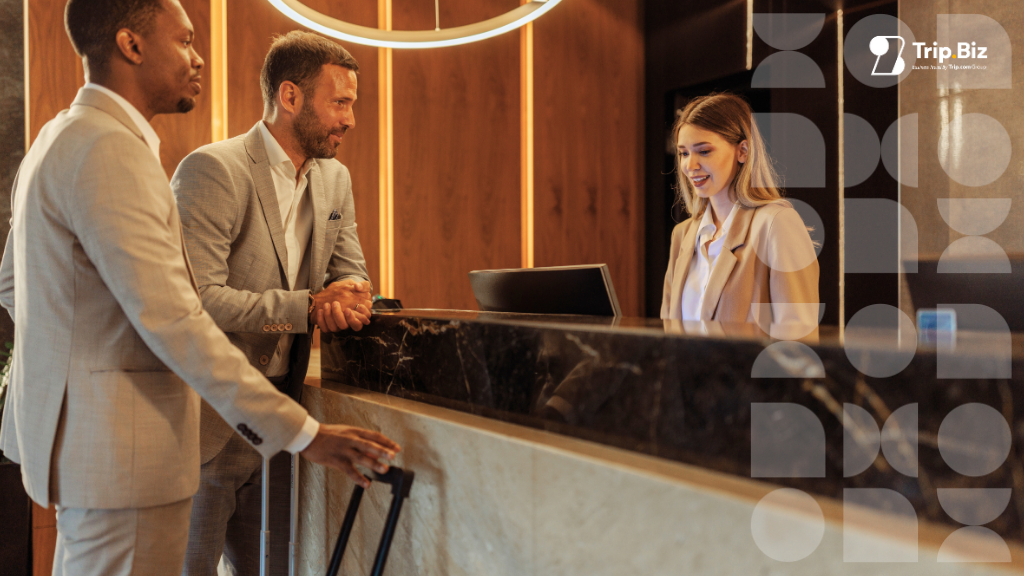
When Resort-Style Properties Like Grand Hyatt Sanya Haitang Bay Make Sense for Business Travel
Resort-style properties such as the Grand Hyatt Sanya Haitang Bay tend to be more appropriate when the purpose of a business trip extends beyond purely transactional meetings. Trips focused on smaller internal meetings, team offsites, executive workshops, or relationship-building with clients may benefit from environments that combine functional workspaces with a quieter, more contained setting.
In these scenarios, having accommodation, meeting spaces, and supporting facilities in one location can reduce logistical complexity and encourage both structured work sessions and informal interaction. For travel managers, the key consideration is not the appeal of the property itself, but whether this type of environment aligns with the objectives of the trip, the traveler profile, and the required balance between productivity and downtime.
Location, Transfers, and Time Management
For business travel, efficiency is often less about absolute proximity and more about predictability. Properties like the Grand Hyatt Sanya Haitang Bay are typically involve longer airport transfers, but these are generally stable and easy to plan for in advance—an important consideration for travel programs where reliable scheduling matters more than marginal time savings.
Once on site, time management becomes equally relevant. Large, resort-style properties can introduce friction into tightly scheduled agendas, particularly for short stays or meeting-heavy trips. Clear zoning, intuitive layouts, and on-property transport services can help reduce that friction, enabling travelers to move between rooms, meeting, and meals without unnecessary delays.
From a travel manager’s perspective, predictability in both transfers and on-site movement plays a meaningful role in productivity. When logistics are easy to anticipate and manage, travelers are better able to focus on the purpose of the trip rather than coordinating movement or managing time between commitments.
Business and Meeting Facilities Overview
For business travelers, having access to practical facilities that support work during the trip is essential. At the Grand Hyatt Sanya Haitang Bay, available spaces and services are designed to support day-to-day business needs, whether travelers are intending internal discussions, client meetings or working independently during meetings.
Meeting and Work Spaces
The hotel offers a range of meeting venues, from smaller rooms for intimate discussions to larger ballrooms for team-building activities or company-wide presentations. These spaces come equipped with essential technology, such as high-speed internet and audiovisual systems, which can be critical for smooth, uninterrupted meetings. For teams planning internal meetings or off-sites, these facilities may be relevant.
Business Services and Connectivity
For individual business travelers, the hotel offers a dedicated business center, equipped with high-speed internet and essential services such as printing and faxing. In-room connectivity is also a priority, with reliable Wi-Fi and workstations designed to allow for seamless remote work between meetings, helping travelers stay productive throughout their stay.
A Room Setup That Supports Working Comfortably
For many business travelers, the value of accommodation is determined by whether the room setup supports working comfortably after a full day. What matters is not the presence of specific amenities, but whether travelers can review documents, prepare for discussions, and rest without friction or fatigue.
From a travel management perspective, room functionality has a direct impact on productivity, yet it is rarely visible in booking data or standard property descriptions. Factors such as workspace usability, the ability to concentrate, and opportunities for recovery often surface only through traveler feedback. Incorporating these qualitative insights can help travel programs better assess whether a property can support efficient and comfortable business stays.
Dining and Networking Venues for Professionals
Dining plays a practical role in many business trips, serving as a setting for informal discussions, quality check-ins, or client meals. The Grand Hyatt Sanya Haitang Bay offers a range of venues that can accommodate different business dining needs, from casual coffee meetings to more structured dinners.
Optimal Venues for Business Meals and Coffee Meetings
Having access to both casual coffee settings and more structured dining environments allows travelers to choose a space that fits the tone and timing of each interaction. Dining environments that balance accessibility with a degree of privacy can support focused conversations without the formality of a meeting room. When these spaces fit naturally into the flow of the day, they allow business travelers to use limited time more effectively while maintaining a comfortable pace between commitments.
Wellness Access as Part of Duty of Care
Wellness is increasingly part of duty-of-care considerations, particularly for longer stays or high-intensity business trips. Access to facilities that support physical activity, rest, and recovery can help manage traveler fatigue—an important factor directly influencing performance, decision-making, and overall risk exposure.
When travelers are able to maintain routines or decompress between workdays, they are better positioned to remain focused and effective throughout their trip. For multi-day itineraries, access to fitness and recreational options can meaningfully support both well-being and sustained productivity.
Key Considerations for Travel Managers
When evaluating accommodation for corporate travel, travel managers must balance cost control, safety, policy alignment, and traveler experience. The following considerations are relevant when assessing the Grand Hyatt Sanya Haitaing Bay within a managed travel program.
Managing Rates, Compliance, and Policy Visibility
In corporate travel programs, the challenge is often less about securing the lowest possible rate and more about maintaining visibility and consistency across bookings. Understanding where travelers book, how rates align with policy benchmarks, and when exceptions occur enables organizations to manage spend without unnecessarily restricting traveler choice.
Booking platforms, like Trip.Biz, can support this by providing insight into booking behavior, rate compliance, and out-of-policy decisions. This visibility allows travel teams to reinforce policy through data and guidance rather than rigid controls, helping balance cost management with traveler flexibility. When travelers retain choice within clear parameters, programs are often better positioned to support both compliance and traveler satisfaction.
Duty of Care and Safety Protocols
Duty of care and safety remains a core responsibility for travel managers. Properties that maintain clear health, safety, and security standards help organizations meet these obligations. Understanding the safety measures and support available on site, like those at the Grand Hyatt Sanya Haitang Bay provides additional reassurance when planning business travel.
Conclusion: Assessing Accommodation Fit for Business Travel
In business travel, the value of accommodation is not defined by the property itself, but by how well it aligns with the purpose of the trip, the traveler's needs, and the controls of the travel program. Schedule intensity, length of stay, policy requirements, and traveler experience all influence whether a hotel supports or hinders business objectives.
Using a specific property as an example can help illustrate how different characteristics suit different scenarios. The goal is not to recommend a particular hotel, but to apply a consistent evaluation lens—one that focuses on suitability, trade-offs, and alignment—so accommodation decisions are made in context rather than in isolation.


